

5 Signs Your Two-Wheeler Needs Engine Oil Change
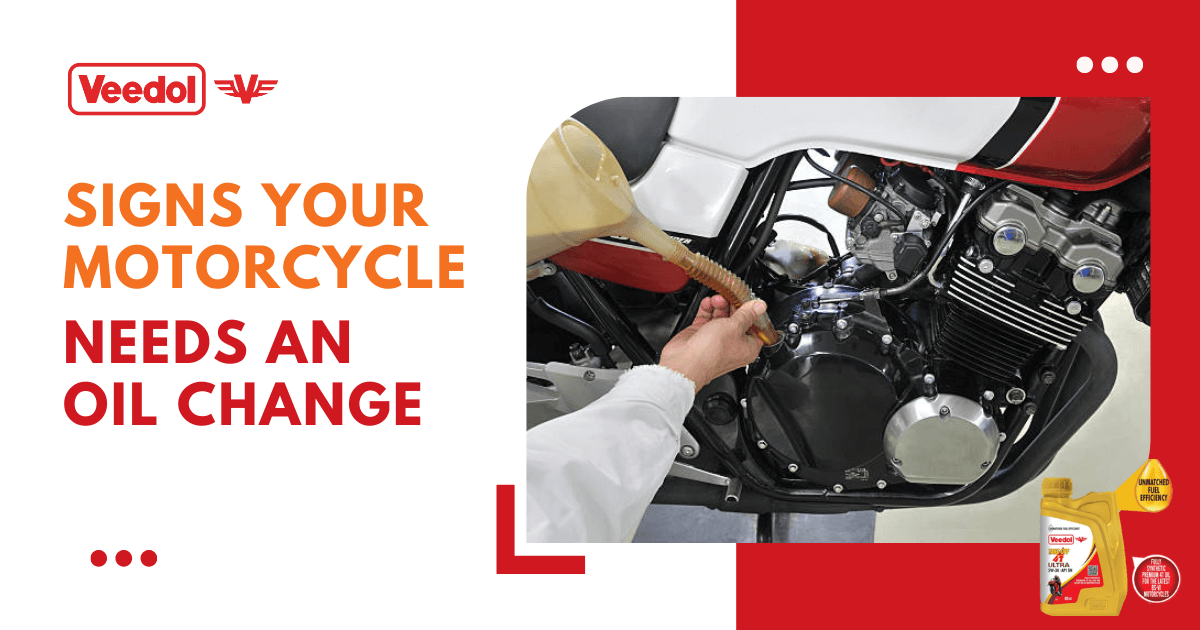
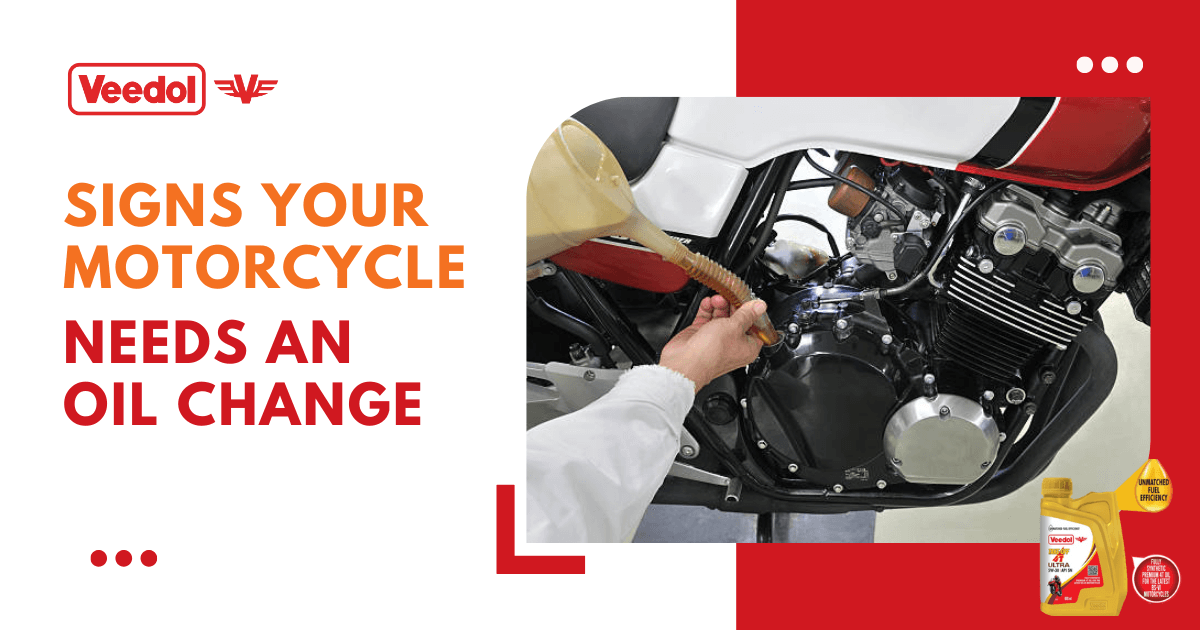
The engine is the heart of any two-wheeler vehicle, and a smooth-running engine is a all you need while covering long journeys on the road. The engine comprises of multiple components that convert fuel energy into mechanical energy. Running all these components together for conversion leads to wear and tear, potentially causing engine breakdown. To prevent wear due to heavy friction and increased temperature between the components, engine oil is added. However, it degrades in quality over time, which can impact the two-wheeler's performance. Changing engine oil at frequent intervals is the only way to maintain the engine's performance. So, when should you change it? Well, we have listed a few signs that will help identify when your two-wheeler needs a change in engine oil.
Just remember whenever you change engine oil, you have to change the oil filters so that it doesn’t contaminate the freshly changed oil.
Weird Noise Coming From the Engine
Are you hearing weird sounds from the engine whenever you start? Then, do not avoid this, as this can be a sign of an engine oil change. Engine oil acts as a lubricant, and ensures all the moving parts of the engine work seamlessly. When the oil becomes old it loses its lubrication properties, hence the components start rubbing each other, creating friction and leading to loud or weird noises. So, if your engine has turned into a mini symphony of clunks and clatters, it’s a sign to change the bike engine oil.
Check If It’s Black And Gritty
Depending on the bike model, your bike would have a dipstick or window to check the oil level. In the regular engine oil check, you must check the colour with the help of a dipstick or through the window. When fresh oil is filled, the colour is translucid with a light brown colour. However, with time and the running of the engine, the colour turns black and thick.
To check the thickness of the oil, dip the finger in fat, and rub it with another finger, this way you can analyse the gritiness and consistency of the oil. If it is not smooth, you will feel the grittiness of particles, which means the oil is contaminated and it should be changed.
However, the timeline for oil turning black is not specific, which is why you must check frequently so you will be able to keep an eye on the situation.
Decrease In Fuel Efficiency
The fuel economy of a two-wheeler depends on the health of the engine. If your bike is giving less mileage than it used to, then you must take it as a sign to change engine oil. Motor oil with time becomes thick and sludgy, hence more amount of oil is required to move the internal components for fuel combustion, resulting in using more oil than average. As a fresh engine, oil keeps the internal components well lubricated, it results in lower friction and consumes less oil for turning fuel energy into mechanical energy. So, change the engine oil if your meter is showing a low tank way sooner than it should!
The Dashboard Warning Light Won’t Go Off
New generation bikes consist of sensors that monitor various aspects of the engine’s performance. So if that pesky “check engine” light illuminated doesn’t turn off, then it’s something you must not ignore. The “check engine” light is to notify you that your engine needs attention. Among the various issues that lead to checking engine lights, there is poor quality engine oil too. As the sensors detect oil viscosity, temperature, and pressure— it is a must to check the engine oil if the warning light shows up. If, after the oil change the light doesn’t turn off, then you must seek professional assistance.
The Oil Level Is Showing Below The Minimum Mark
So, you have added oil to your engine to go up to standard, but it is still showing below the mark? This can be a sign of oil change. Considering your engine is not leaking, the below oil mark is a significant sign for engine oil change. As oil gets old the chemical properties degrade, which leads to poor lubrication. Due to increased friction in engine components, more oil is used for lubrication than required, hence leading you to find oil below the minimum mark. If you are changing lubricant oil way sooner than is advised by the manufacturer's manual, then you must replace it with fresh oil.
Difficulty in Gear Shifting (Bonus Sign)
If you are finding it difficult to shift gears and experiencing a delay in gear shifting then you should take it as a sign for a motor oil change. The oil’s lubricating properties extend to the gearbox as well, ensuring that gear shifts happen effortlessly. As oil degrades in quality, it loses the ability to coat the gear properly. The oil becomes thick and gritty, which makes it difficult to shift gears. Replace it with Veedol’s two-wheeler engine oil for a smooth ride.
Choose Veedol For Your Engine
As a general rule of thumb, engine oil must be changed every 3000 to 5000 Km. At this stage, the engine oil is still in good condition, however, this degradation after every 5000 km can lead to problems later for your bike’s engine.
Choose Veedol’s bike engine oil for optimum engine performance. Make sure you buy the best compatible engine oil with the engine. If you are familiar with the basics of bike maintenance then you should change the engine oil by yourself, if not seek professional help.